認識Promise

目錄
Constructor
const promise1 = new Promise((resolve, reject) => {
  setTimeout(() => {
    resolve('foo');
  }, 300);
});

promise1.then((value) => {
  console.log(value);
  // Expected output: "foo"
});

console.log(promise1);
// Expected output: [object Promise]
Syntax
new Promise(executor)

// or 可以表示

new Promise( /* executor */ function(resolve, reject) { ... } );
Parameter
executor
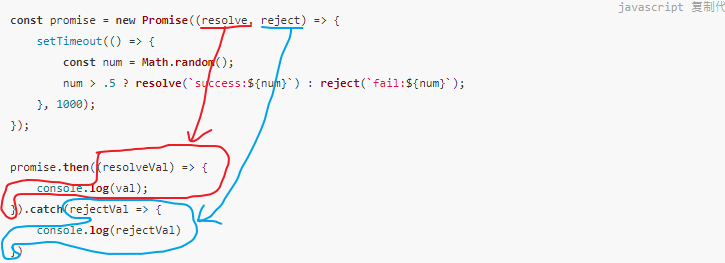
為一個function,接收兩個參數(function),resovle及rejects,通常executor會發起一些非同步操作,接著,成功完成後會執行resolve;如果錯誤,執行rejects。
為什麼要使用Promise
有個常見的需求是依序呼叫兩個以上的非同步函數,因為多數非同步函數都有callback,如果非同步函數一個接一個,那就會很恐怖。
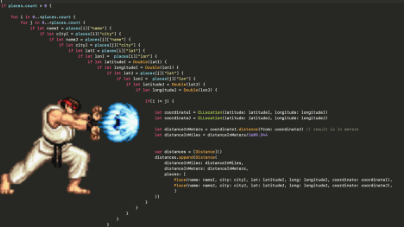
主要原因是避免波動拳(Pyramid of Doom)
doSomething(function(result) {
  doSomethingElse(result, function(newResult) {
    doThirdThing(newResult, function(finalResult) {
      console.log('Got the final result: ' + finalResult);
    }, failureCallback);
  }, failureCallback);
}, failureCallback);
但如果用Promise
doSomething().then(function(result) {
  return doSomethingElse(result);
})
.then(function(newResult) {
  return doThirdThing(newResult);
})
.then(function(finalResult) {
  console.log('Got the final result: ' + finalResult);
})
.catch(failureCallback);
看起來就會簡潔多了
基本規則
- 一個Promise物件處於3種狀態
- pending (擱置)
- fulfilled (實現)
- rejected (拒絕)
- Promise狀態只能從pending → fulfilled ,或是pending → rejected
- 一旦狀態確定,就不能再更改
- 當狀態發生轉變,就會調用透過then方法傳入的function
then
Promise物件有then方法,then是定義在原型物件Promise.prototype上的,他的作用是當Promise狀態改變時的回調函數(callback),當非同步操作成功時,執行resolve,失敗則執行rejected。
其他Promise原型定義方法 👇
https://developer.mozilla.org/zh-TW/docs/Web/JavaScript/Reference/Global_Objects/Promise#promise_原型
實際範例
Ajax+promise的應用:
function myAsyncFunction(url) {
  return new Promise((resolve, reject) => {
    const xhr = new XMLHttpRequest();
    xhr.open("GET", url);
    xhr.onload = () => resolve(xhr.responseText);
    xhr.onerror = () => reject(xhr.statusText);
    xhr.send();
  });
};
參考資料
https://developer.mozilla.org/zh-TW/docs/Web/JavaScript/Reference/Global_Objects/Promise/then